
Liubo and the Mandala
A lost Chinese board game with an uncanny resemblance to the Mandala

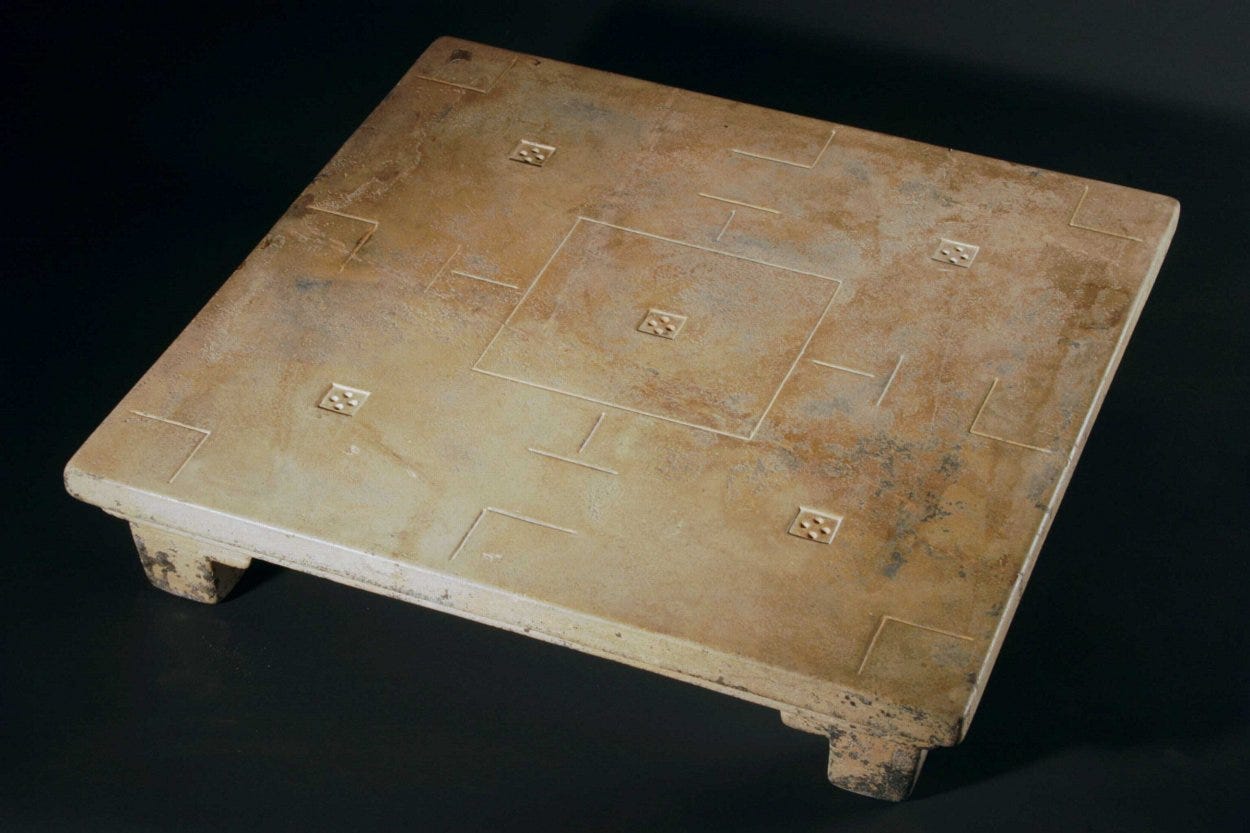
One of the many games lost to time, Liubo is rarely mentioned outside of niche board game circles. In its heyday, 350 BC to 200 AC, it dominated China. Artifacts incorporating its unique design include bronze mirrors, chests, figurines, and both playable and ceremonial boards. Most of these were found in tombs dating from the late Zhou to the Han Dynasty, suggesting Liubo held an important place in contemporary culture.
The Game of Liubo
A long forgotten game with unknown rules and a strong element of chance, I would have overlooked Liubo had it not been for its distinct board design.
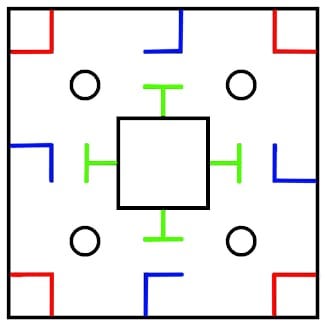
This design is known as the TLV pattern for the T, L, and V lines outlined above. Aside from the Mandala-esque central motif, these disconnected and oddly shaped lines are highly unusual for a board game. However, surviving gamepieces, illustrations, and literary references confirm it was a fully playable game.
Almost all literary references seem to speak of the game as though its rules were widely understood, so sparse records remain. According to the BabelStone Blog, we can be certain of a few key elements of gameplay.
Moves were decided by chance, either through a toss of bamboo sticks or dice.
Gamepieces moved along the TLV lines.
Gamepieces sometimes moved into the center of the square, referred to as the “water”, where a special token, referred to as a “fish”, could be retrieved.
The game was won when a set number of tokens were obtained.
We can also be fairly certain that there was a mystical element to the game. Boards of a similar design were found with special markings related to divination. The bamboo sticks used in the game are also reminiscent of bamboo sticks used in certain regional divination practices. Lastly, Liubo was said to have been played among immortals, and between immortals and humans.
Boards with slightly different designs, gamepieces, and some conflicting literary evidence suggests that multiple versions of Liubo were played concurrently in the same period and location. However, the most common version of the game includes a central square with T lines drawn perpendicularly on its sides, as pictured above.
Liubo and Mandalas
This leads me to the Mandala, an ancient design used in Dharmic religions such as Hinduism, and of course, Buddhism.
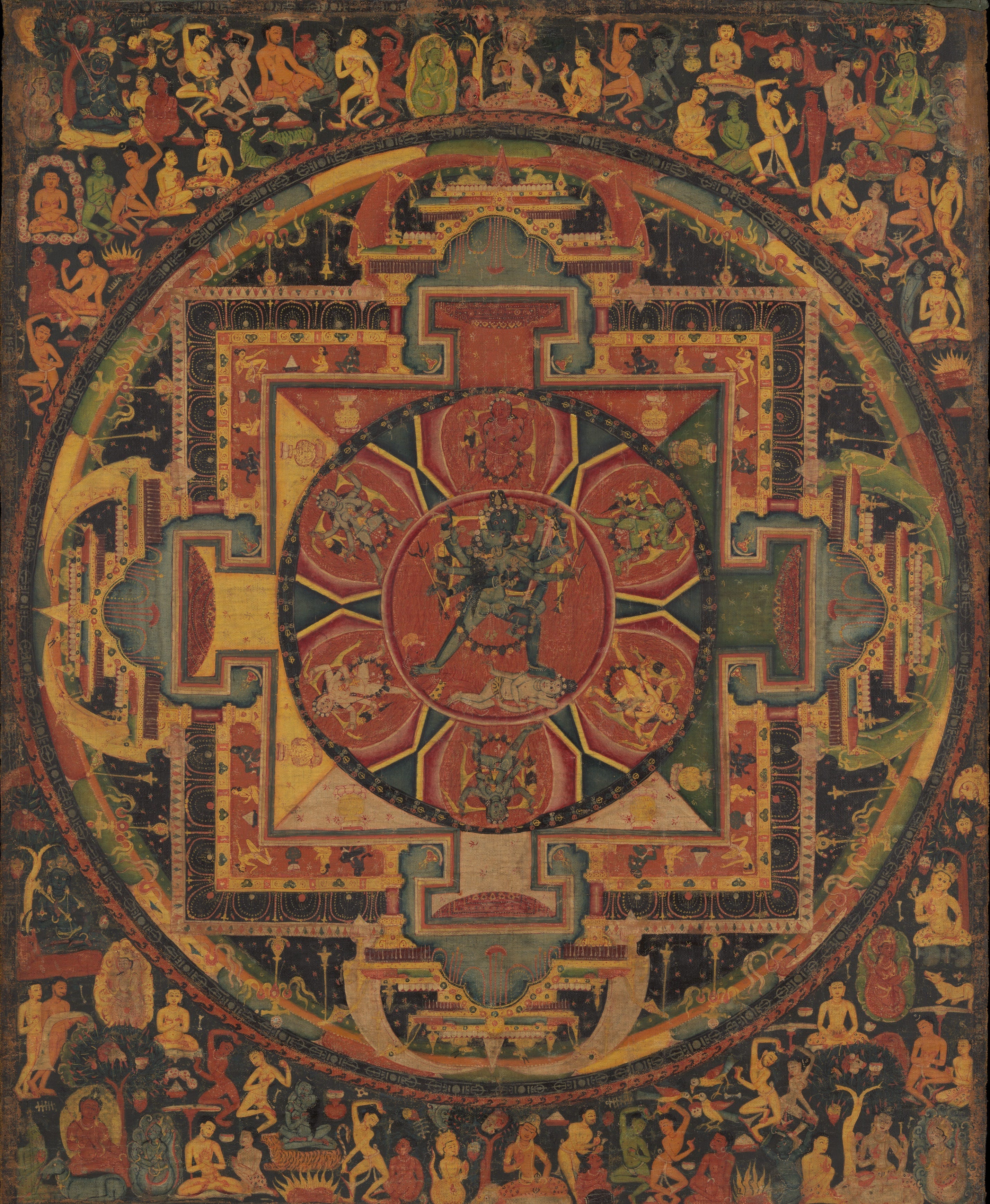
Anyone even vaguely familiar with Mandalas will recognize that the central design of the board is strikingly familiar. The picture above is just one example of a Mandala, but they typically contain a central square with T lines perpendicular to all four sides. English analyses of Liubo are scarce, but it still surprised me that little has been said about this connection. A clearer depiction of the Mandala’s square and T lines can be seen in Yantras, a less ornate form of Dharmic sacred geometry, pictured below.

Although the age of Mandalas is unknown, they were most definitely around during the time of Liubo and I believe they can lend some insight into the mechanics of the game. As mentioned, an important element of the game is entering the central square and retrieving a token. Mandalas are believed to be structured after traditional temple designs. The square in Dharmic art typically refers to the Earthly plain, while the four entrances refer to the four cardinal directions. Some famous examples of temples fitting this design include Angkor Wat and Borobudur, pictured below.

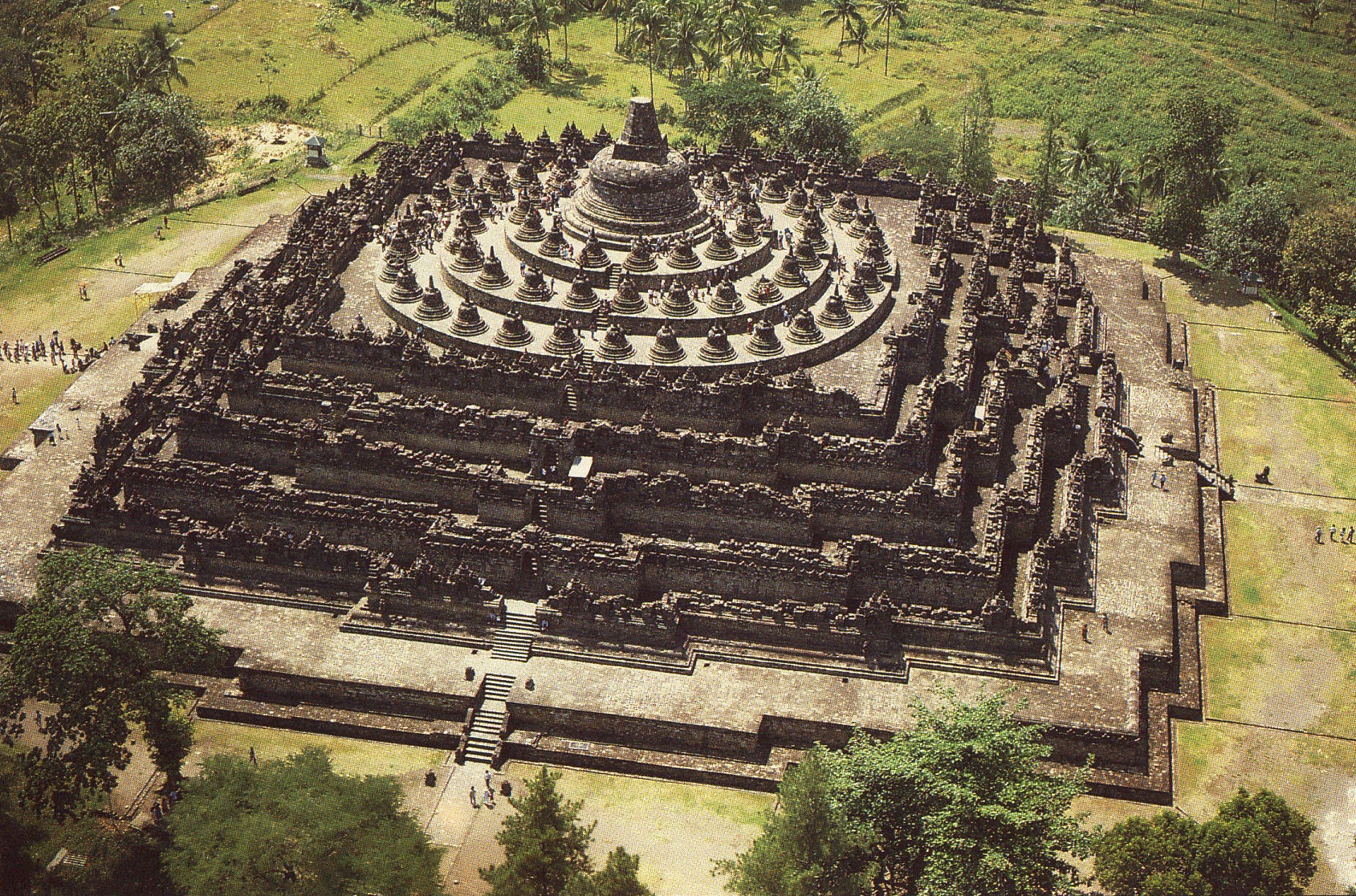
In The Development and Regional Variations of Liubo by Yasuji Shimizu, they mention that on some Liubo boards, the horizontal and vertical lines of the T are disconnected. This would make sense if it were a representation of Dharmic temples, as the horizontal lines would symbolize the arch at the temple entrance and the vertical line would be the path to the temple itself.
Following the temple theory, perhaps the fish tokens are a reference to kalyanis, or temple tanks, a water reserve sometimes found in temples used for ritual bathing or religious offerings.


Another curious element of some Liubo boards are the symbols located between the central square and the V lines. Sometimes these symbols are intricate designs, and other times they appear to be simple circles. The central square is also often dissected into four triangles. Mandalas typically feature these designs as well. Below is a diagram of a Liubo board that contains both these features, alongside a Mandala with strikingly similar elements.
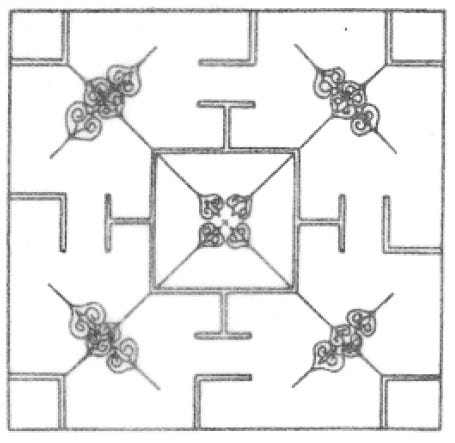
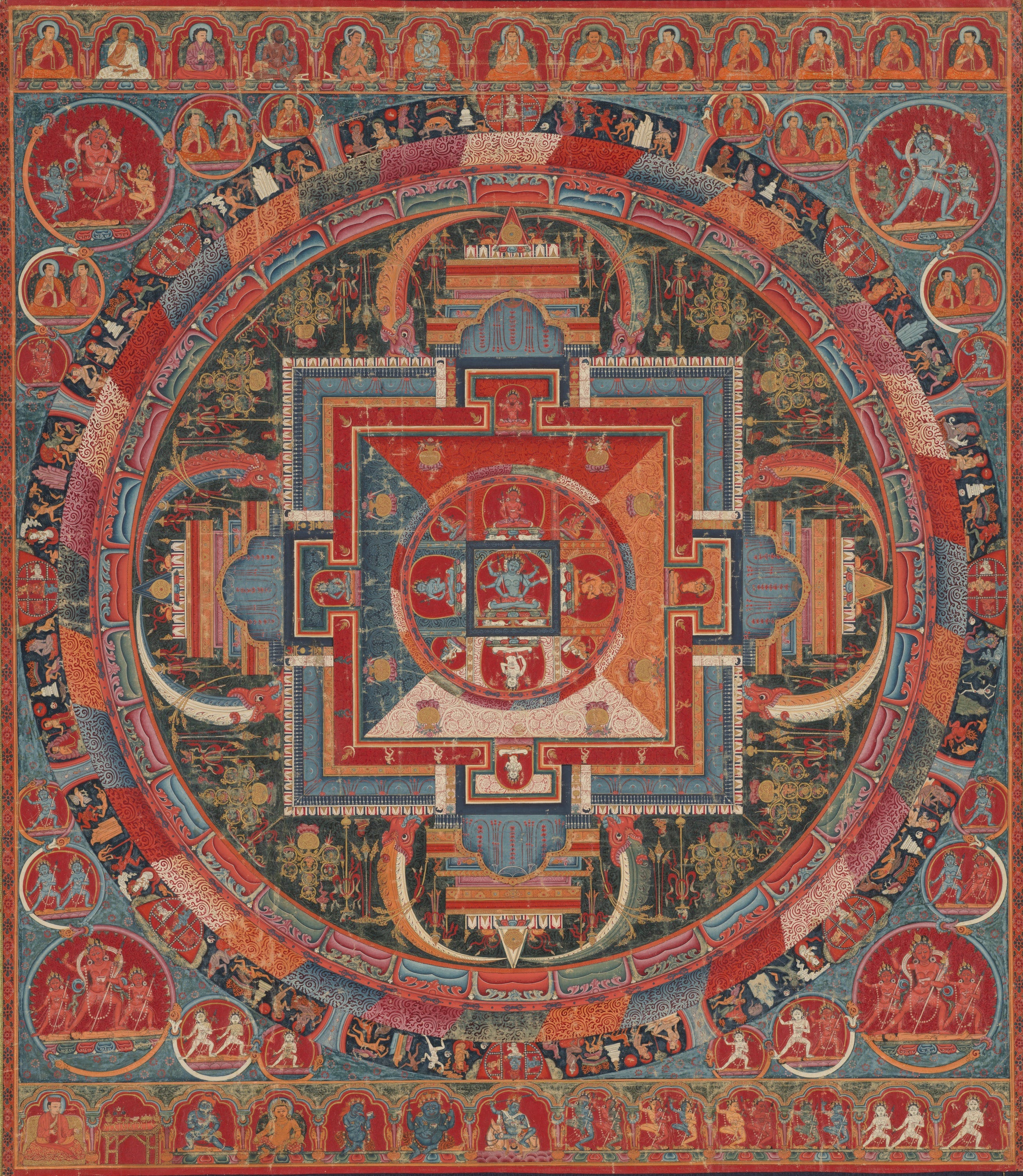
Other Liubo Boards
The only Liubo boards that dramatically depart from the Mandala design feature three lines in place of the central square and T lines, pictured below.
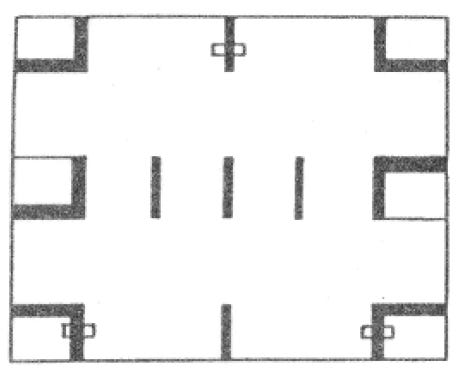
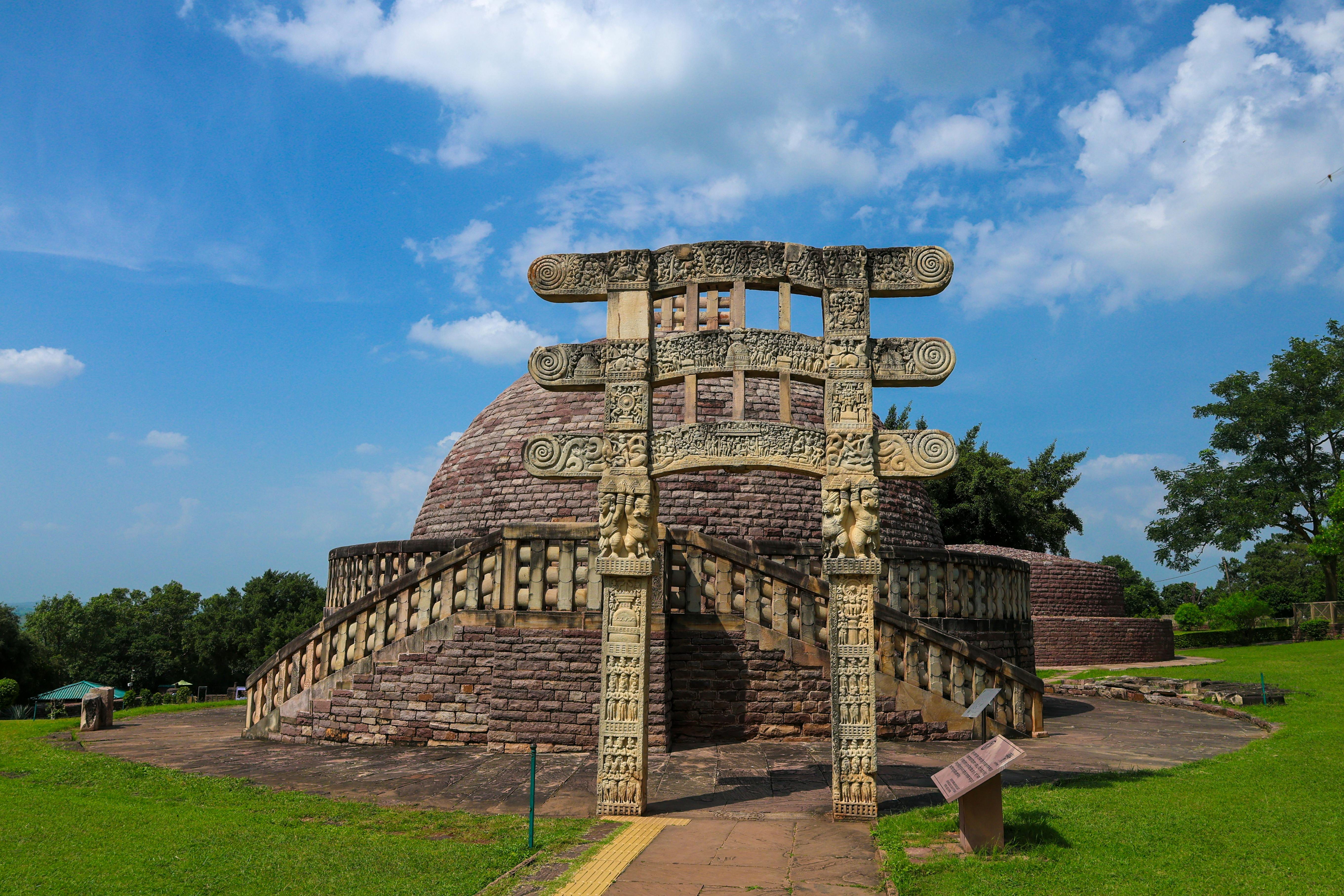
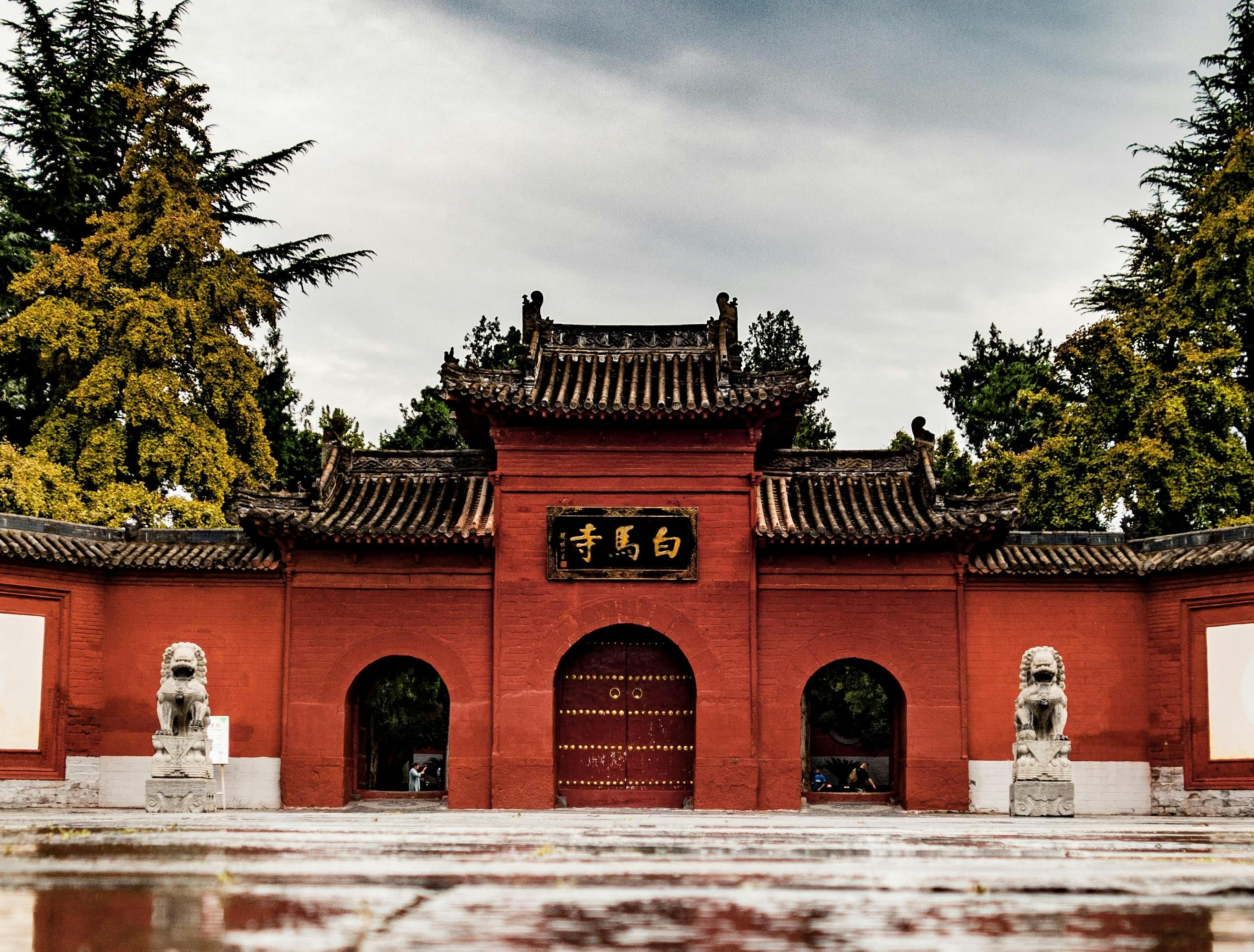
However, if we follow the connection to Dharmic symbolism, traditional Buddhist temples in China often feature three entrances. Alternatively, they may even relate to the three horizontal lines found in Torana, arches placed at the entrances of some stupas. Below is an example of Torana arches and a Chinese Buddhist temple.
The Mandala as a Game
Researching this subject has made me curious about how the basic Mandala shape and symbology would transfer onto a board game. If infused with an element of chance, such as dice, I think it could be an interesting exercise and perhaps a strong teaching tool in the tradition of Snakes and Ladders (aka, Moksha Patam).
I imagine a Mandala game to be a racing game with equal parts luck and skill, where opponents (perhaps even mortals opposing immortals) can work towards retrieving offerings from the central temple’s pool. These offerings being the right of an immortal, it would be an effort against fortune. Winning such a game would be a mark of outsmarting the gods, or even divine favor among them. No wonder the outcome of one Liubo game incited a murder!
But enough conjecture.
What the Research Says
The similarities between Liubo and the Mandala are not missed by academics, but it seems to be dismissed because of one simple but undeniable point of contention. The timelines just don’t add up. While the cultural exchange between South Asia and East Asia is ancient, the influence of Dharmic traditions only permeated the far East with the rise of Buddhism, long after the birth of Liubo. Although most scholars acknowledge some spiritual or mystical influence on the development of Liubo, whatever cosmological symbolism it does hold is likely not influenced by the Mandala or its traditions.
Once you marry an idea it’s hard to give up, but alas, this may be a matter of parallel development and a remarkable resemblance. As compelling as the central motif in both Liubo and Mandalas are, it might not be as unique as it initially appears. Just look at Nine Men’s Morris for another game with a central square and T-like lines.
Another issue is of course the age of Liubo. So little is known about it that its hard to settle on any one theory. Most of the surviving boards are heavily damaged or have disintegrated upon discovery and contact with the outside world, which is why we can only refer to diagrams of these boards rather than pictures of the boards themselves.
Sources
There is so much to be learned about Liubo, this article just scratches the surface. Some excellent sources available in English are Liubo: The Five-Hundred Year Craze by Colin Mackenzie (published in Asian Games: The Art of Contest), The Development and Regional Variations of Liubo by Yasuji Shimizu (translated by Kumiko Tsutsui and published in the Board Game Studies Journal Vol 8, 2014), and the BabelStone Blog series. The more you learn about Liubo, Mandalas, and even Yantras, the more you see elements that align or conflict. I encourage you to explore these sources if this article interested you, as there are many parts of this story I have excluded.
If this topic interested you, please consider subscribing for free. And if you really like this work, consider a paid subscription to support this project.
Very insightful and creative, looking forward to more interesting articles